
Physiotherapy is a healthcare profession that helps people improve movement, strength, balance and the ability to carry out daily activities. A programme begins with an individual assessment to establish suitable treatment goals.
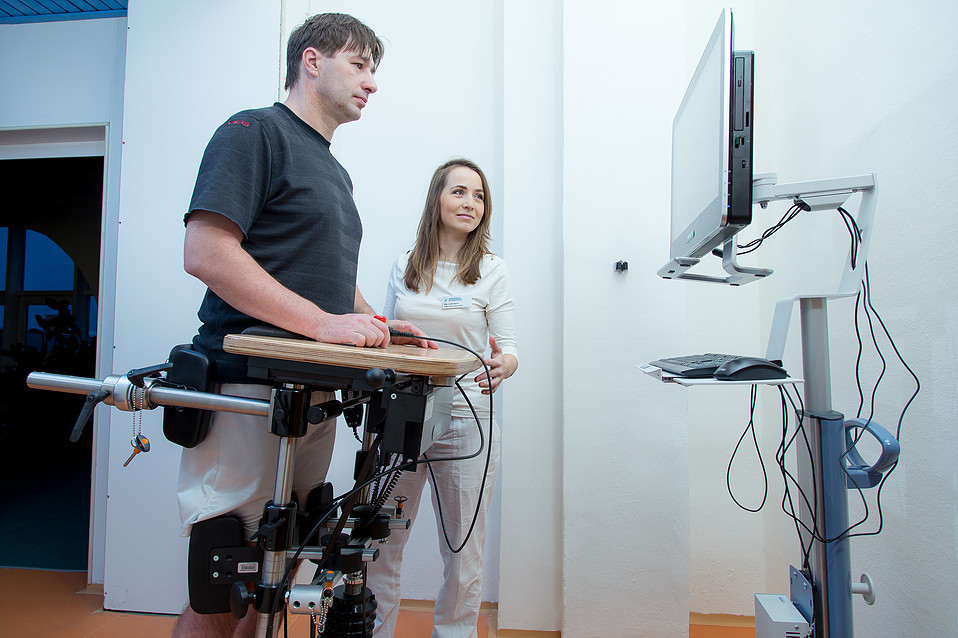
When Is It Used?
Physiotherapy may form part of rehabilitation after injuries, surgery or strokes, or help manage certain muscle and joint pains and neurological conditions. Interventions vary according to the diagnosis.
How Is the Plan Developed?
The physiotherapist assesses range of movement, strength, pain and functional ability, then selects appropriate exercises and movement training, adjusting the programme according to the patient’s response.
Does Physiotherapy Guarantee Recovery?
No outcome is guaranteed for every condition. Some patients may need medication or other interventions alongside rehabilitation, as determined by the medical team.
Health Back’s Role
Health Back helps coordinate case assessment and communication with suitable rehabilitation centres. Diagnosis and treatment planning remain the responsibility of the specialist medical team.
Medical note: This information is for general education and is not an individual diagnosis or treatment prescription.
Preparing for a physiotherapy assessment
Before asking about session numbers or equipment, describe what is difficult in daily life: walking, stairs, using a hand or returning to work. Concrete examples help frame a discussion about goals more clearly than asking only for an intensive programme.
What happens at the first assessment?
A physiotherapist asks about symptoms, medical history and the effect on everyday activity, and may assess movement, strength and balance as appropriate. The next steps and goals are then discussed. An in-person assessment may change a proposal initially based on reports.
What should I prepare?
- The diagnosis and available reports, including relevant recent surgery or injury.
- A medication list and any instructions or restrictions from the treating doctor.
- An account of what you can do independently and where assistance is needed.
- Questions about goals, follow-up and any home exercises the professional may consider appropriate.
How can I compare rehabilitation programmes?
Ask why each part of the plan is proposed, who supervises it and how response or session changes are reviewed. Clarify actual session length, individual or group treatment and included services. A total session count is not enough to compare offers. Do not copy exercises prescribed for someone else without suitable guidance.
Do I need to travel to the Czech Republic for physiotherapy?
Discuss local services and your needs with a professional first. If considering a stay abroad, check the provider's suitability for the diagnosis, accessibility, companion arrangements, interpreting and follow-up after returning home. Travel combines clinical, practical and financial decisions; it is not a requirement for everyone who needs physiotherapy.
What should a quotation cover?
Ask for assessment, treatment, accommodation, meals, a companion, transfers, interpreting and daily assistance to be listed separately. Confirm the currency, exclusions and change or cancellation terms. There is no single price or session package that suits every case.
Explore our Czech physiotherapy and rehabilitation planning guide, read about rehabilitation after stroke, or request coordination of a case assessment.
Source for general assessment information
NHS: Physiotherapy and what happens during assessment. The quotation and travel questions are Health Back planning guidance. The source does not endorse the agency or prescribe care for an individual patient.
Explore the Health & Medical Tourism Guide or request a medical assessment through Health Back. Clinical decisions remain with the treating provider.