
Tourism in the Czech Republic
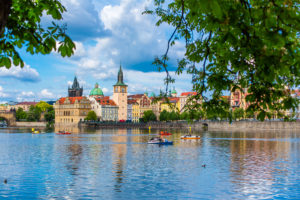
The Czech Republic is a relatively small European country situated between important central European neighbours, including Poland and Austria. Its tourism appeal combines historic civilisations, surviving architectural monuments, distinctive food and cultural traditions shaped by Europe’s past, including the Middle Ages.
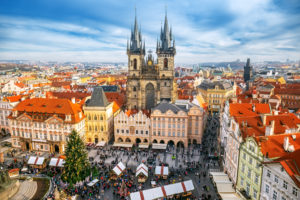
What Attracts Visitors?
The country’s landmarks and varied attractions draw travellers from around the world.
Central European Location
Its location in the heart of Europe makes it accessible to visitors from many countries.
Countryside
Rural areas offer peaceful landscapes and attractive natural surroundings, away from busy urban centres.
Castles
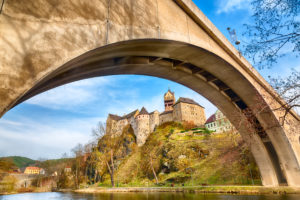
The source describes approximately two thousand castles across the country, with Prague particularly known for its historic castle architecture.
Customs and Traditions
Diverse traditions, particularly folk culture, provide entertainment and opportunities for visitors to experience local life.
Safety
The original article describes low crime levels and quotes a fifth-place safety-related ranking. This is a historical statement from the source, rather than a current ranking.
Relatively Low Costs
The article presents Prague and other Czech destinations as comparatively affordable European options for hotels, restaurants, shopping, public transport and food.
Spa and Wellness Resorts
Spas offer a range of treatments and relaxation services, including massage, oxygen treatments and mud baths. Visitors combine rest and wellness with time spent exploring the destination.
The Importance of Tourism
The original article cites tourism as contributing approximately 7.8% of the country’s domestic output in statistics from 2008. It highlights tourism’s role in employment and the regional and national economy.
For 2019, it reports approximately 238,800 people working in tourism, of whom eighteen per cent were self-employed. It quotes annual tourism spending of approximately CZK 292 billion, split between foreign visitors at 56% and domestic visitors at 44%.
Tourism History
The first Czech tourist club was established in 1888 to promote tourism, organise trips and introduce visitors to local attractions. The article also describes a long-running tourism magazine and the subsequent development of the Czechoslovak tourist club, which improved services and recreational facilities.
A statistical office established in 1919 is described as collecting information on tourist destinations and providing useful information for visitors.
Tourism expanded after the Velvet Revolution of 1989, as borders opened and visitor numbers increased. New tourism facilities and services followed.
The article reports approximately 21,247,150 visitors in 2018, identifying the United States, Germany, Poland, Australia, Italy and Slovakia among their countries of origin.
Types of Tourism

Historical Tourism
Historic buildings and towns draw visitors to destinations such as Český Krumlov, Kutná Hora and Kroměříž.
Nature Tourism
Parks, protected natural areas, caves, zoos and varied landscapes offer opportunities for outdoor exploration.
Cultural Tourism
Museums, exhibitions and heritage sites introduce different aspects of Czech culture, including places associated with UNESCO World Heritage.
Shopping Tourism
Shops and craft businesses offer handmade clothing, accessories, decorated stone and glass, and Bohemian garnet products.
Religious Tourism
Historic religious buildings and monuments form another part of the country’s cultural heritage.
Sports Tourism
Activities include mountain climbing, football, golf, ice hockey and other sports.
You can also read about Darkov Spa for physiotherapy in the Czech Republic.
Explore the Health & Medical Tourism Guide or request a medical assessment through Health Back. Clinical decisions remain with the treating provider.