Tree of Life treatment starts with selecting the appropriate care pathway, not simply a room. Medical spa stays, wellness and weight management differ from specialist neurological rehabilitation in their purpose and support requirements. This guide explains the advertised options, the questions to ask and how to prepare a request through Health Back without assuming that every service suits every patient.
Medical notice: This article supports informed planning and does not diagnose conditions or guarantee improvement. The treating team determines acceptance, care needs and procedures after assessment. Health Back coordinates arrangements and does not deliver medical treatment itself.
Which Tree of Life programme are you requesting?
Tree of Life advertises medical spa, wellness and weight-management stays, alongside a specialist neurological rehabilitation pathway through the associated Comprehensive Rehabilitation Institute. The proposal should identify the actual care provider and programme: the resort name alone does not establish nursing provision or session content.
Clarify your priority first: a musculoskeletal concern, rehabilitation after stroke, or support with lifestyle changes? Request written details of assessment, individual and group sessions and follow-up. Pool access or use of wellness facilities should not automatically be treated as an individually directed therapy session.
Physiotherapy and medical spa stays
The medical stay information lists physiotherapy, selected electrotherapy, medicinal peat procedures and individual or group treatments according to the programme. A procedure being advertised does not mean it is suitable for your diagnosis or included in every proposal.
Ask what each type of session is intended to address, how long it lasts and who supervises it. If you recently had surgery, prepare the surgeon’s instructions and movement restrictions for review. Do not change medication or permitted loading simply to increase treatment intensity; the clinical team must agree the plan.
Neurological rehabilitation after stroke
The associated institute lists post-stroke care after the acute stage and selected musculoskeletal or neurological injuries, operations and other conditions with rehabilitation potential. Its published acceptance criteria include being over 18, being able to cooperate and having stable chronic conditions. A diagnosis name alone does not establish acceptance.
WHO describes rehabilitation as focused on a person’s goals and needs. Priorities may include transfers, everyday activities or communication rather than the number of machines used. Ask the team to define reviewable goals that reflect your current abilities and preferences.
Technology supports a plan; it does not guarantee recovery
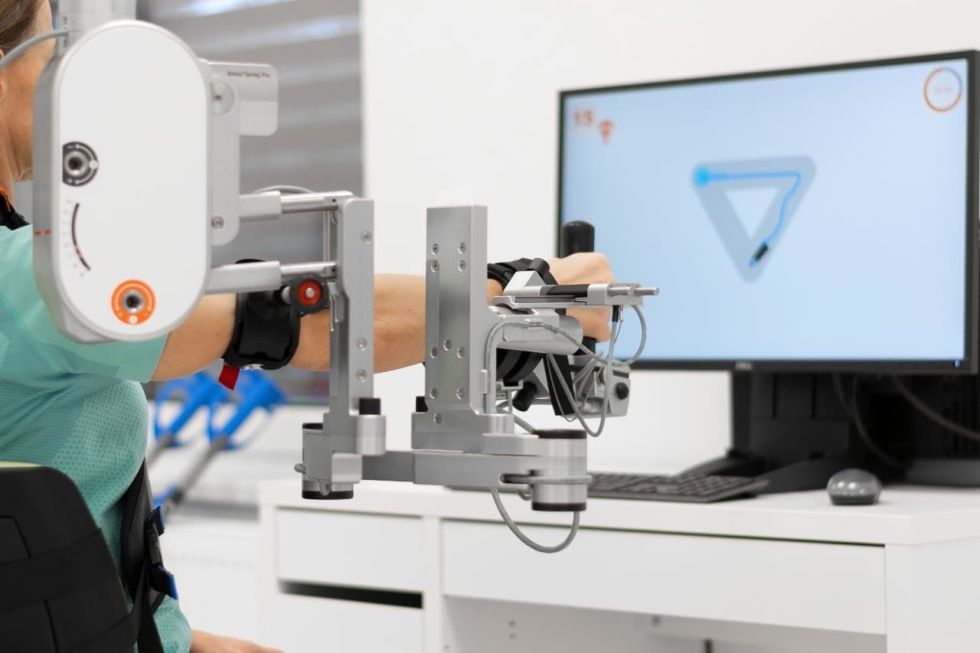
Advertised tools include upper-limb systems such as Armeo Spring, Gloreha and MYRO, alongside gait, balance and occupational therapy resources. The team selects appropriate methods: using every machine is not necessary, and a photograph of equipment does not predict an individual result.
When is it an emergency? Sudden facial drooping, arm weakness or new speech difficulty can indicate a stroke. Contact local emergency services immediately rather than waiting for a travel assessment or WhatsApp reply, even if symptoms improve.
Accommodation and everyday care requirements
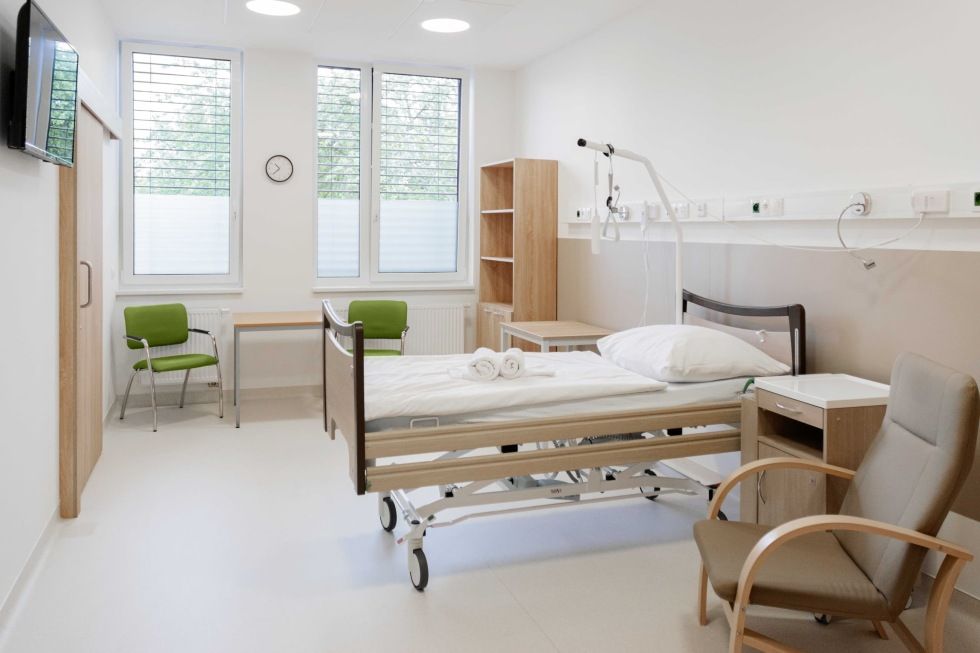
A hotel room is different from a care room in a rehabilitation institute. The institute describes nursing and assistance with everyday activities where needed, while Tree of Life offers hotel accommodation categories with different facilities. Your individual proposal must confirm the accommodation and support required.
Explain your needs for bed transfers, toileting, bathing, meals and assistance getting to sessions. Do you require a hoist, suitable wheelchair or overnight help? Is an accompanying person necessary, and what is their role? An accessible room or medical bed does not automatically include every personal-care service.
Weight management and wellness have different goals
Tree of Life advertises SLIM and SLIM PLUS stays with dedicated meal plans and nutritional guidance in the described programme. A weight-management stay is not equivalent to post-stroke rehabilitation. Completing a stay does not guarantee a fixed or permanent amount of weight loss.
If this is your priority, ask about nutritional assessment, compatibility with medication and coexisting conditions, and what you should continue after returning home. The proposal should explain actual services rather than relying on a package name or photographs of relaxation facilities.
Preparing reports and reviewing a proposal
- Diagnosis and treatment history: a recent summary, injury or operation dates and relevant reports.
- Medication and needs: current medicines, allergies, movement restrictions and specific care or dietary requirements.
- Current abilities: walking, transfers, communication, daily assistance and an accompanying person if relevant.
- Two or three priorities: explain what you can do now and what you want to work on rather than requesting unmeasurable general results.
- An itemised proposal: accommodation, meals, session type, length and treatment days, nursing, interpretation if needed, and amendment and cancellation conditions.
Start through Health Back to coordinate the next steps. Before sending medical records, ask how they should be shared and who will access them. Do not share another person’s information without their consent or appropriate authority. The clinical team determines programme suitability after reviewing the case.
Stay length, progress reviews and continuing care
Seek a programme that can be reviewed rather than a promise of results within a fixed period. Ask how your starting abilities will be assessed, when goals will be reviewed and what information you will receive at discharge. Useful goals describe activities that matter in your daily life.
Request written advice on prescribed home exercises and coordination with the team continuing your care. Do not increase exercise intensity independently. Follow-up in a particular language or by remote consultation must be confirmed rather than assumed. The degree and pace of improvement vary by case.
Frequently asked questions about Tree of Life treatment
Does every Tree of Life booking include neurological rehabilitation?
Do not assume so. Confirm the programme, actual care provider, therapy content and nursing arrangements in the written proposal.
Can children join the adult programme?
The institute’s currently published criteria specify an age over 18. These cannot be generalised to children or used to confirm paediatric admission. Requests for children require a separate assessment and confirmation of an appropriate pathway before booking.
Should I book sessions on every machine?
No. The priority is selecting methods relevant to your goals and reviewing your response, rather than collecting equipment names.
Are the photographs genuine and current?
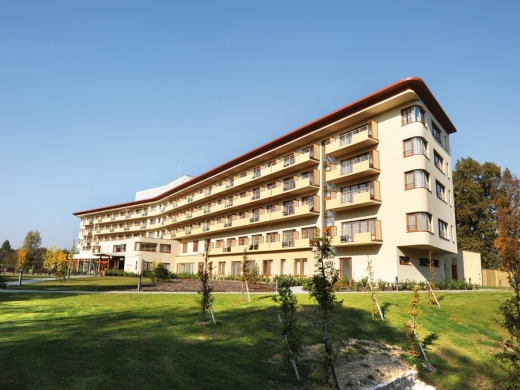
The main image comes from Health Back’s collection; the rehabilitation and care-room photographs come from the provider’s official gallery and were added to the website in October 2026. They are real photographs, but publication or upload dates do not establish capture dates or current availability of every feature.
Contact and coordination through Health Back
Request an assessment through Health Back or contact Health Back on WhatsApp: +420 774 091 060. Website: www.healthback.net. Explore the Health & Medical Tourism Guide for further articles.
Information sources and limitations
Editorially checked on 16 October 2026 using official Tree of Life and associated rehabilitation institute information about programmes, therapy, accommodation and weight management, alongside WHO rehabilitation guidance and NHS stroke information. This is not an individual medical assessment or independent verification of outcomes. The treating team must confirm acceptance and current services before booking. All contact details provided belong to Health Back.