
Horiaty addiction treatment begins with understanding a person’s needs, not selecting a fixed number of nights or simply getting through withdrawal. This guide distinguishes the services Horiaty advertises from general treatment principles and explains the questions patients and families can discuss when making arrangements through Health Back.
Important: A substance use disorder is a health condition deserving care and respect, not a judgement of character. This article supports informed planning and does not replace specialist assessment. Health Back coordinates arrangements; it does not diagnose conditions or deliver medical treatment.
What does Horiaty offer for addiction treatment?
Horiaty advertises psychiatric and substance use treatment services, including medical withdrawal management, residential rehabilitation, cognitive behavioural therapy, family support, a twelve-step programme and outpatient follow-up. It also describes a dual-diagnosis pathway for substance use problems with co-occurring mental health conditions. Appropriate services and current availability must be confirmed after reviewing the individual case; not every plan includes every option.
Before agreeing to treatment, ask who leads the clinical plan, what qualifications the treating team holds, which services are included and how progress is reviewed. Photographs and claims of excellence should not be the sole basis for choosing an addiction treatment centre. An advertised success rate cannot guarantee an individual outcome.
Initial assessment: building an appropriate plan
WHO and UNODC standards recommend comprehensive assessment and individualised planning. Discussion includes substances used and their pattern of use, physical and mental health, previous treatment and support needs. The clinical team determines the level of care and necessary interventions; one programme cannot fit everyone.
Prepare an accurate medication list and disclose previous withdrawal complications and long-term conditions. If anxiety, depression or other symptoms are present, ask how they will be assessed alongside substance use. Symptoms alone do not establish a particular diagnosis without professional evaluation.
Withdrawal management is not the whole treatment
The US National Institute on Drug Abuse explains that detoxification alone is generally insufficient without subsequent treatment. Planning must address behaviour, triggers and continuing support. A clinician may prescribe appropriate medication according to the substance use disorder and individual needs; there is no single medication plan for every substance.
Safety first: Suddenly stopping alcohol when physically dependent can be dangerous. Do not attempt to manage withdrawal alone or borrow someone else’s medication. Seizures, severe confusion or hallucinations following cessation require urgent assessment through local emergency services, rather than waiting for accommodation arrangements or a WhatsApp reply.
Psychological rehabilitation and twelve-step support
Cognitive behavioural therapy
Horiaty advertises cognitive behavioural therapy within its programmes. This approach explores links between thoughts, emotions and actions and develops more useful responses to difficult situations. Ask about individual session goals, practice between appointments and how newly learned skills will be reviewed.
Group support and twelve-step work
The advertised twelve-step programme includes group support and learning from peers in recovery. This can be one source of support within a treatment plan; it does not replace clinical assessment or prescribed medication. Discuss whether the approach fits your needs and values and how it connects with other care.
Dual diagnosis
Horiaty describes a programme for substance use problems alongside co-occurring mental health conditions. Ask who performs the psychiatric assessment and how medication, therapy and follow-up are coordinated. Do not assume every psychological symptom is caused by substance use or will automatically resolve after withdrawal.
Family involvement, patient rights and privacy
Horiaty advertises family sessions and support. Families can seek guidance on understanding the condition and communicating without blame while respecting the patient’s boundaries. Supporting recovery does not mean punitive monitoring or circulating health information among relatives.
Before admission, clarify who accesses records, how consent for sharing information is obtained, the visiting and communication arrangements, and how patients can raise questions or complaints. SAMHSA describes family involvement in care with the person’s permission. Confidentiality should not be represented as an absolute promise overriding legal requirements or safety needs.
Aftercare and relapse prevention
Horiaty advertises continuing care with follow-up, sessions and support. Request a written discharge plan describing appointments, responsibility for any prescribed medication and options for continuing care after returning home. Remote follow-up, if needed, must be confirmed for availability and suitability rather than assumed.
Discuss in advance how to respond to increasing cravings or a return to substance use: whom to contact and how to obtain help. A return to use calls for reviewing care rather than concealment or blame. The goal is a workable support plan for everyday life, not simply completing a residential stay.
Preparing reports and arrangements through Health Back
- Outline your needs: the reason for seeking care, age, language preferences and any assistance required.
- Prepare clinical information: reports, medication and treatment history. Ask how information should be sent and who can access it before sharing.
- Review the written programme: assessment, medical care, individual and group sessions, family services and follow-up.
- Confirm accommodation details: room and meals, visits, telephone arrangements, amendment and cancellation conditions, and services requiring separate arrangements.
- Review continuing care: appointments, prescribed medication and coordination with the treating team after discharge.
Do not choose treatment duration solely from a short- or long-stay label. Request an individual recommendation and review points, including what might justify extending care or moving to another level of support. Neither a particular duration nor a particular result can be guaranteed for everyone.
Frequently asked questions about Horiaty addiction treatment
Is getting through withdrawal enough?
It is not a complete recovery plan by itself. Agree appropriate rehabilitation and follow-up and address psychological and social needs.
Can a suitable programme be chosen without assessment?
An initial conversation can clarify needs, but acceptance and clinical treatment require specialist review. Do not rely on a short description or online questionnaire alone for a diagnosis.
Are the photographs current?
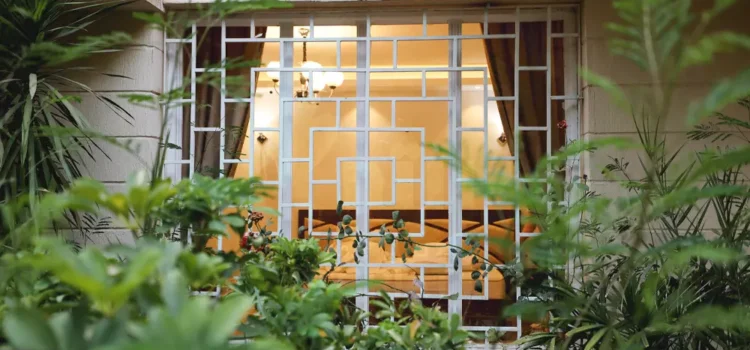
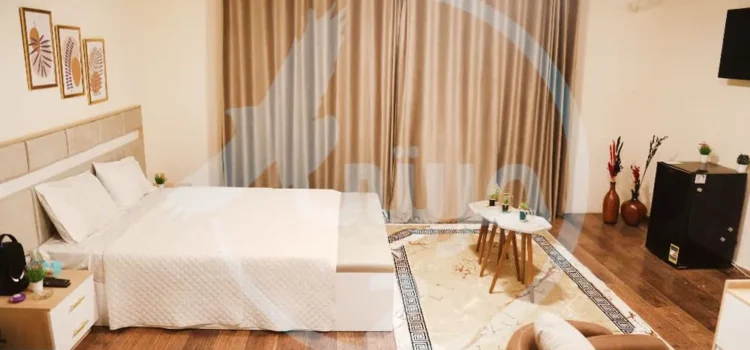
These are real photographs stored in Health Back’s collection since September 2026. Upload dates do not establish when they were taken. They do not show patients or serve as recovery testimonials; current facilities should be confirmed before booking.
How do I start?
Contact Health Back to outline your needs and coordinate further review. Do not share another person’s medical information without their permission or appropriate authority. A medical emergency should not wait for a commercial enquiry.
Health Back contact and coordination
Request an assessment through Health Back or contact Health Back on WhatsApp: +420 774 091 060. Website: www.healthback.net. Explore further articles in the Health & Medical Tourism Guide.
Sources and limitations
Information editorially checked on 16 October 2026. Horiaty service descriptions draw on its published information about rehabilitation, psychological and family programmes and continuing care; they are not independent verification of outcomes or current licensing. General information draws on WHO/UNODC, NIDA, NHS and SAMHSA. This article is not an individual medical assessment. The treating team must confirm acceptance and current services before booking.