Movement and development difficulties can affect a person’s ability to walk, balance, use the limbs, or perform everyday activities. They may appear during childhood development or after an injury, surgery, stroke, neurological condition, or musculoskeletal problem. Rehabilitation aims to improve function, mobility, independence, and participation through an individualized plan.
What Are Movement, Development and Rehabilitation Problems?
The term covers a wide range of difficulties involving strength, balance, coordination, mobility, or functional skills. In children, some difficulties may involve delayed motor milestones. In adults, movement limitations may develop after stroke, injury, surgery, or conditions affecting the nervous system, muscles, bones, or joints.
When Is a Professional Assessment Appropriate?
- Persistent difficulty walking, climbing stairs, or moving from sitting to standing.
- Noticeable weakness or difficulty using one or both limbs.
- Balance problems or repeated falls.
- Significant delay in acquiring expected motor skills in a child.
- A change in movement after an injury, surgery, or neurological event.
- Difficulty performing everyday activities compared with the person’s usual ability.
How Does Rehabilitation Begin?
Rehabilitation starts with an appropriate assessment. This may include a review of medical history and examination of movement, strength, balance, flexibility, coordination, and functional abilities. The team then sets realistic goals that can be monitored over time. There is no single rehabilitation program for every condition, so the plan should reflect age, diagnosis, current abilities, and functional goals.
The Role of Physiotherapy
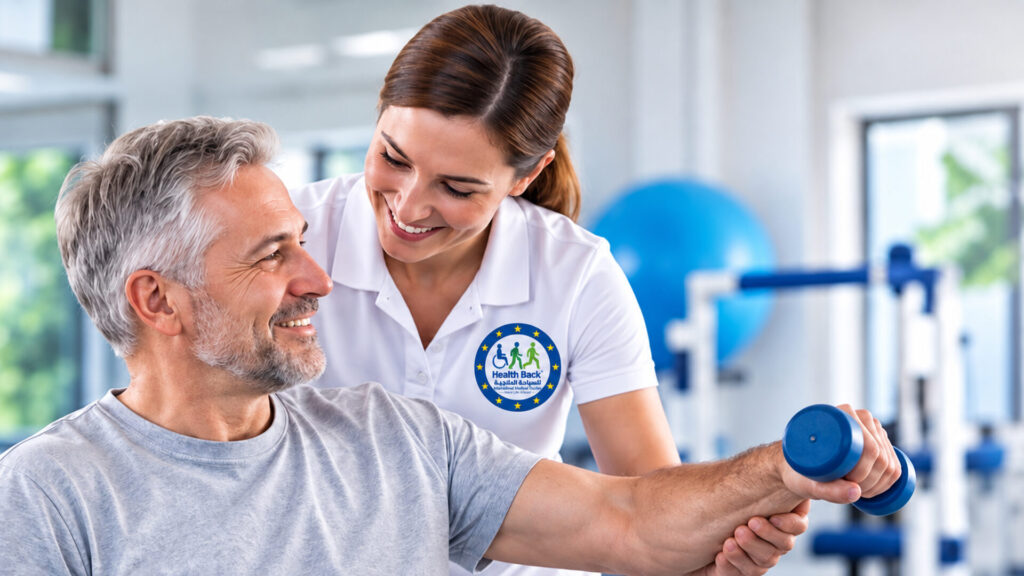
Physiotherapy may focus on strength, flexibility, balance, motor control, gait, and everyday functional activities. Depending on the condition, treatment may include therapeutic exercises, functional training, walking practice, transfer training, and appropriate assistive devices. Progress should be monitored and the program adjusted gradually.
Motor Rehabilitation for Children
Pediatric rehabilitation should reflect the child’s developmental level and existing abilities. Goals may include head and trunk control, sitting, standing, walking, hand use, balance, and coordination. Family participation is important because suitable activities can be incorporated safely into daily routines. The aim is to support the child’s functional participation rather than focusing only on isolated exercises.
Rehabilitation After Injury or Illness
Following injuries, surgery, or certain neurological and musculoskeletal conditions, a person may need rehabilitation to regain strength, mobility, balance, and independence. The timing and intensity of exercise depend on the medical condition and the treating team’s recommendations, particularly when there are post-operative restrictions or recent neurological symptoms.
Why Family Participation Matters
Family members can help turn rehabilitation goals into safe daily routines. The treating team can teach caregivers how to assist safely and which activities are appropriate at home, while avoiding exercises or physical demands that have not been recommended for the individual.
How Health Back Can Help
Health Back helps patients and families coordinate medical and rehabilitation journeys, understand available options, prepare medical reports, and organize treatment arrangements according to each case. Health Back can also assist with travel, accommodation, and coordination during the treatment journey.
Conclusion
Movement, development, and rehabilitation problems require careful assessment and an individualized plan focused on function, independence, and quality of life. Clear goals and regular follow-up make it easier to measure progress and adjust rehabilitation according to the person’s needs.
Medical note: This content is for general education and is not an individual diagnosis or treatment recommendation. Appropriate care depends on assessment by the treating clinical team.