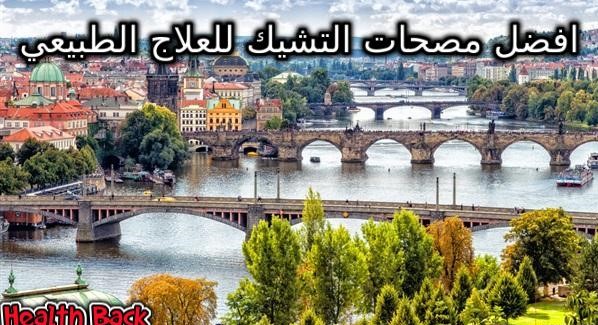
Patients around the world seek information about physiotherapy spas in the Czech Republic. The country has a longstanding rehabilitation sector, professional education and varied medical and spa facilities. This Health Back article introduces options and their specialisations.
Czech Physiotherapy Spas
The original article emphasises natural mineral resources and different treatment approaches for musculoskeletal, neurological and muscular conditions, cardiovascular and internal-medicine programmes, weight management and rehabilitation following strokes or accidents.
Spas mentioned include Dubí, Darkov, Teplice, Jáchymov, Mariánské Lázně, Tree of Life, Klimkovice and Luhačovice.
Dubí Spa
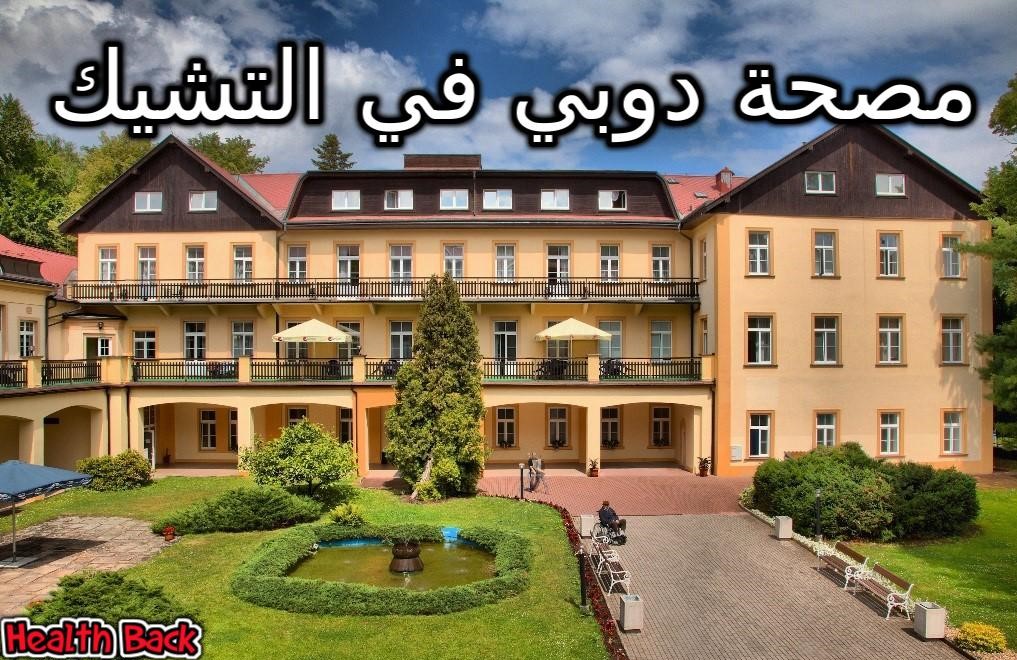
Dubí is described as a longstanding physiotherapy centre founded in 1870, approximately 97 km from Prague. The source lists grounds of about 3,000 square metres and approximately 134 rooms.
It focuses on intensive musculoskeletal and neurological rehabilitation, including recovery after strokes or accidents, childhood paralysis, spinal conditions, bone and joint discomfort in older adults, paraplegia and quadriplegia.
Treatment Approaches
The article lists occupational therapy, physical treatment and physiotherapy using modern devices, individual exercises and group sessions. It also mentions medication-related treatment. An initial medical assessment is used to determine the programme, which may combine several methods.
Additional procedures listed include electrotherapy, magnetic therapy, gas injections, laser treatment, mud treatment, carbon-dioxide and oxygen procedures, manual and underwater massage, salt-cave sessions and aromatic baths.
Equipment includes devices for exercising each arm or leg separately.
Robotic Rehabilitation
The source describes a robotic rehabilitation device for people with physical disabilities or limited mobility, intended to support repeated rehabilitation practice.
G-EO System
The G-EO System is described as supporting gait rehabilitation following strokes and other neurological conditions. The article also lists multiple sclerosis, Parkinson’s disease, childhood paralysis, spinal cord injury, joint and bone conditions, spasms, brain injury, paraplegia and quadriplegia.
It simulates walking while allowing assistance and movement settings to be adjusted. Visual feedback can accompany training, while sensors provide information on pressure, tension and balance in each limb to support assessment of performance and progress.
Teplice Spas
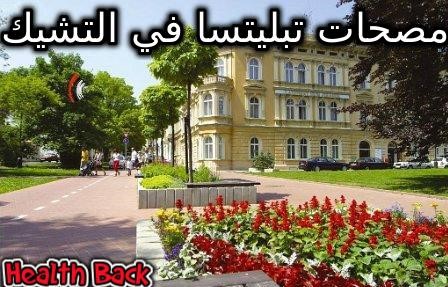
Teplice lies in a mountainous area of the northern Czech Republic, approximately 90 km from Prague. Its spa tradition extends back more than two thousand years, and it has welcomed Middle Eastern visitors for around thirty years.
Its programmes address musculoskeletal and neurological conditions in adults and children. Pools and baths use thermal mineral water from the Pravřídlo spring.
The source lists mineral content of 1,064 mg/l, fluoride content of 7.34 mg/l, a small amount of radon and a natural temperature of 41°C.
Spas in Teplice
Imperial Spa
A four-star spa in a building dating from 1845, named in honour of Emperor Franz Joseph I. The source lists 132 beds.
Beethoven Spa
A spa for adults, named for the composer’s stay in 1812. It offers musculoskeletal, neurological and spinal rehabilitation using thermal springs, rehabilitation programmes, thermal pools and exercise facilities.
Stone Spa
A spa for adults and children, built in neo-Baroque style and originally opened as Empress Elisabeth Spa. Treatment services are available within one building.
The source describes an indoor salt cave open from 9 am to 6 pm, with a mineral-rich environment containing iodine, potassium and selenium. It compares a 45-minute visit to three days at the seaside and describes use for people with allergies or asthma.
Explore the Health & Medical Tourism Guide or request a medical assessment through Health Back. Clinical decisions remain with the treating provider.